Find Electronics Recycling for Data Protection
The Definitive Guide to E-Waste Recycling: Why It Counts and How to Take Action
E-waste recycling stands as a vital but commonly disregarded element of modern environmental responsibility. As technology advances at a remarkable pace, countless tons of electronic waste build up annually, creating substantial environmental hazards. Understanding the nuances of e-waste disposal can empower individuals to make informed choices. This guide not only outlines effective recycling practices but also explores the broader implications for the environment and economy. The path to accountable e-waste management starts with several key actions.
What You Need to Know About E-Waste
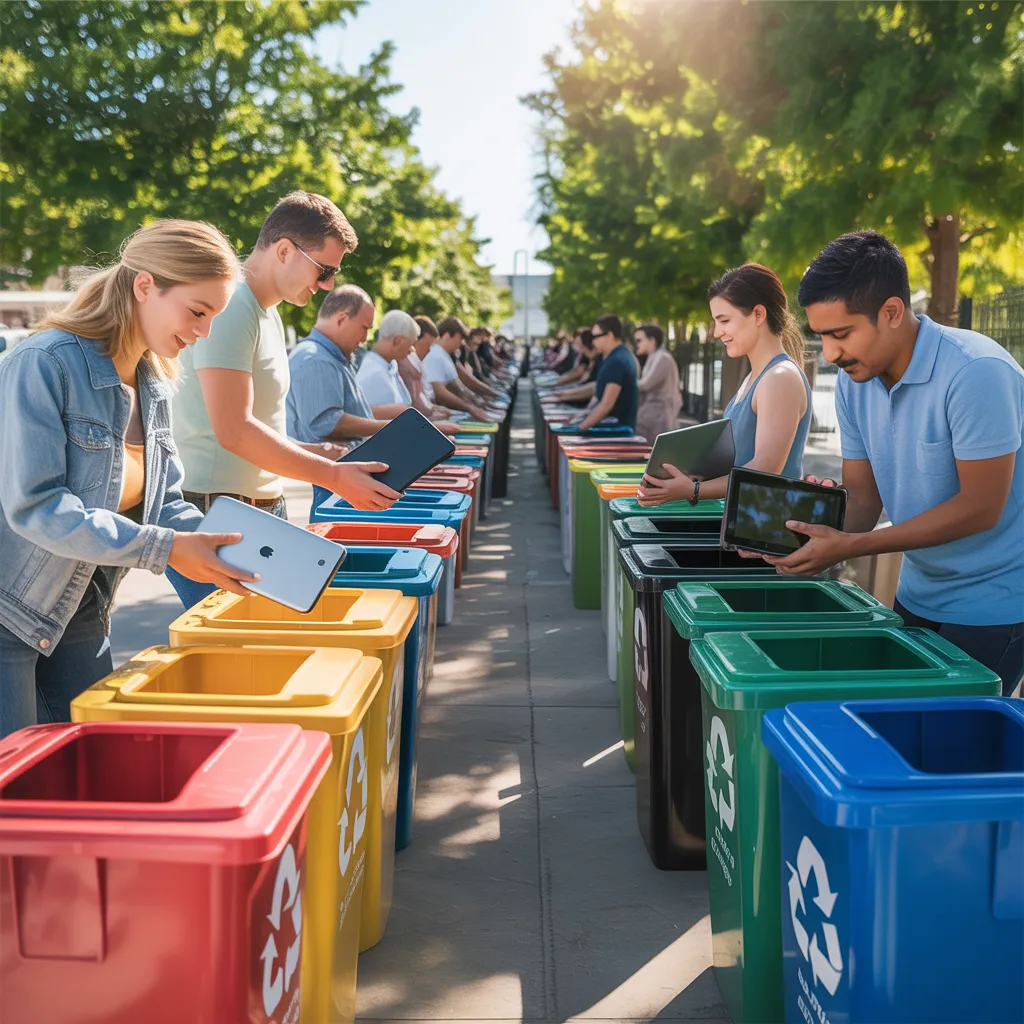
Electronic waste, commonly known as e-waste, encompasses discarded electrical and electronic equipment, and grasping its impact is essential in the modern digital era. The rapid advancement of technology has resulted in a significant increase in e-waste generation, with tens of millions of tons generated each year. This waste often contains hazardous materials such as lead, mercury, and cadmium, creating substantial environmental and public health dangers if not disposed of correctly.
Additionally, precious elements like rare earth metals, gold, and copper are contained in these devices, which can be extracted through recycling methods. Nevertheless, a large quantity of electronic waste is deposited in landfills, aggravating environmental pollution and resource loss. Understanding of appropriate waste disposal techniques and the importance of recycling can address these problems, promoting a more sustainable strategy for technology usage. Understanding electronic waste is necessary for promoting responsible practices and encouraging impactful recycling efforts within neighborhoods.
Getting Started with E-Waste Recycling
Taking the initiative to recycle electronic waste has a profound effect on the environment as well as personal accountability. To begin, individuals should assess their unused or broken electronics, sorting items including smartphones, laptops, and printers. This step helps in understanding the volume of e-waste that needs addressing. Next, researching local recycling programs is crucial. Many communities offer designated drop-off locations or special collection events for e-waste.
Users must also educate themselves about which items are recyclable and which are not, as rules differ depending on the area. Upon finding the right recycling options, wrapping the items properly for transit ensures their safety and reduces the risk of damage. Finally, one should monitor the recycling process, ensuring that qualified recyclers are responsible for handling the e-waste. By implementing these foundational actions, users support a more environmentally responsible world while responsibly managing their electronic waste.
The Ecological Effects of E-Waste Recycling
Though commonly disregarded, the environmental significance of e-waste recycling is substantial and extensive. Responsible electronic waste recycling helps prevent hazardous materials, such as lead, cadmium, and mercury, from tainting soil and water resources. Such hazardous materials can result in severe health risks for both people and the natural world. By recycling, critical raw materials like gold, copper, and silver are reclaimed, reducing the need for mining and lowering the overall carbon footprint connected to the extraction of resources.
Additionally, efficient e-waste recycling limits landfill dependency, where deteriorating electronic devices emit toxic substances. It nurtures a circular economy by encouraging eco-friendly practices, motivating manufacturers to create products that prioritize recyclability. Beyond that, recycling helps lower greenhouse gas emissions by cutting energy use relative to manufacturing new materials. Overall, the environmental benefits of e-waste recycling underscore its critical role in promoting a healthier planet and ensuring responsible management of electronic resources.
Economic Benefits of E-Waste Recycling
E-waste recycling presents substantial financial benefits, particularly through workforce development and resource reclamation. By establishing recycling facilities, local communities can create job openings while promoting sustainable practices. Moreover, reclaiming precious materials from e-waste reduces the need for new resource extraction, resulting in substantial financial savings.
Job Development Opportunities
Processing e-waste not only tackles environmental issues but also acts as a driving force for employment growth. The electronic waste recycling sector creates numerous job prospects, spanning from gathering and categorizing to processing and restoring electronic equipment. As demand for sustainable practices grows, this sector is expanding, requiring skilled labor in technology, engineering, and logistics. Surrounding economies prosper as new positions are regularly established in regions experiencing significant unemployment, encouraging local growth. Moreover, companies engaged in electronic waste recycling are able to encourage creativity and new ventures, nurturing a sustainable economic model. By supporting e-waste efforts, governing bodies and enterprises not only champion environmental responsibility but also bolster economic stability through valuable work opportunities.
Material Recovery Savings
The e-waste recycling industry not only creates jobs but also offers substantial financial benefits by means of resource recovery savings. By recovering precious materials including gold, silver, and copper from obsolete electronics, recycling minimizes the need for virgin resource extraction, which is frequently expensive and harmful to the environment. This process lowers production costs for manufacturers, eventually resulting in lower prices for end users. Moreover, the energy conservation benefits of recycling e-waste can be significant, lowering operational expenditures for businesses and boosting overall economic efficiency. As well, as the global appetite for electronic devices continues to increase, effective material recovery from e-waste grows ever more critical for maintaining supply chains and strengthening economic resilience. Consequently, electronic waste recycling represents a wise investment for both economic and environmental well-being.
How to Recycle Your Old Electronics
Unsure about where to recycle your obsolete electronic devices responsibly? Many solutions are available for disposing of aging electronics, ensuring both environmental protection and resource recovery. Community recycling hubs commonly welcome numerous types of electronic devices, including computers, phones, and televisions. Many municipalities also host periodic e-waste collection events, creating a practical opportunity for local residents to safely recycle their unwanted devices.
Well-known retailers including Best Buy and Staples offer take-back programs, permitting shoppers to hand in their outdated electronics when acquiring new products. Some manufacturers provide mail-in recycling programs, enabling consumers to send their outdated devices directly to designated facilities. Non-profit organizations may also accept donations of functioning electronics, prolonging the usable life of these devices while benefiting community programs.
Busting Popular Myths Surrounding E-Waste Recycling
Despite the common belief that e-waste recycling is inadequate, the reality is that well-organized initiatives can significantly minimize environmental harm. A popular misunderstanding is that e-waste is deposited in landfills regardless of recycling efforts. In truth, reputable recycling facilities extract valuable materials and responsibly eliminate hazardous components.
One popular myth states that electronic recycling is overly complex or expensive. Nevertheless, numerous local initiatives provide free drop-off locations, ensuring accessibility for all individuals. Some also provide convenient pickup options.
Additionally, certain individuals assume that all e-waste can be recycled, but certain items are not eligible for recycling owing to the specialized components they are made of. Familiarizing yourself with local regulations is crucial.
As a final point, a common misconception is that e-waste recycling fails to generate job creation. However, the recycling industry creates thousands of employment opportunities, boosting the economy while supporting environmental sustainability. By debunking these myths, consumers can develop a clearer understanding about e-waste recycling.
Questions We Often Receive
Can Batteries Be Recycled Along With My E-Waste?
Batteries must not be disposed of alongside e-waste. Separate handling is necessary owing to the dangerous materials within them. Proper disposal options include specific recycling centers or collection events designed for batteries, ensuring safe and environmentally friendly processing.
What Becomes of My Data When It Is Recycled?
Throughout the recycling process, information stored on electronic devices can be compromised without proper erasure. Reputable recycling facilities utilize dedicated processes to guarantee complete data destruction, safeguarding personal information from potential recovery or misuse.
Are E-Waste Recycling Practices Governed by Law?
Electronic Check it out waste recycling is subject to numerous rules and regulations that change depending on country and region. Such regulations are designed to ensure safe disposal, safeguard the environment, and effectively manage hazardous materials throughout the recycling process.
Is There a Fee for Electronics Recycling?
A number of e-waste recycling locations might charge fees for processing certain items, particularly for particular types like monitors or televisions. However, certain locations provide free recycling, typically supported by manufacturer programs or local programs advocating for responsible disposal.
How Can I Promote E-Waste Recycling in My Community?
To advance e-waste recycling within the community, individuals can organize informational campaigns, partner with local businesses for disposal events, and leverage social media to distribute valuable information about proper disposal methods and environmental benefits.