Computer Recycling Insights to Computer Recycling Houston
Reasons Electronics Recycling Can Support Businesses Achieve Environmental Goals: Green Initiatives for Corporate Use
Electronics recycling offers a paramount opportunity for businesses endeavoring to enhance their ecological initiatives. By overseeing e-waste appropriately, enterprises can diminish their environmental impact and retrieve valuable resources. Also, embracing these practices can fortify corporate reputation with environmentally responsible patrons. However, numerous organizations might overlook the complexities tied to implementing a thriving recycling scheme. Grasping these nuances is essential for steering the path toward sustainable endeavors and realizing persistent results.
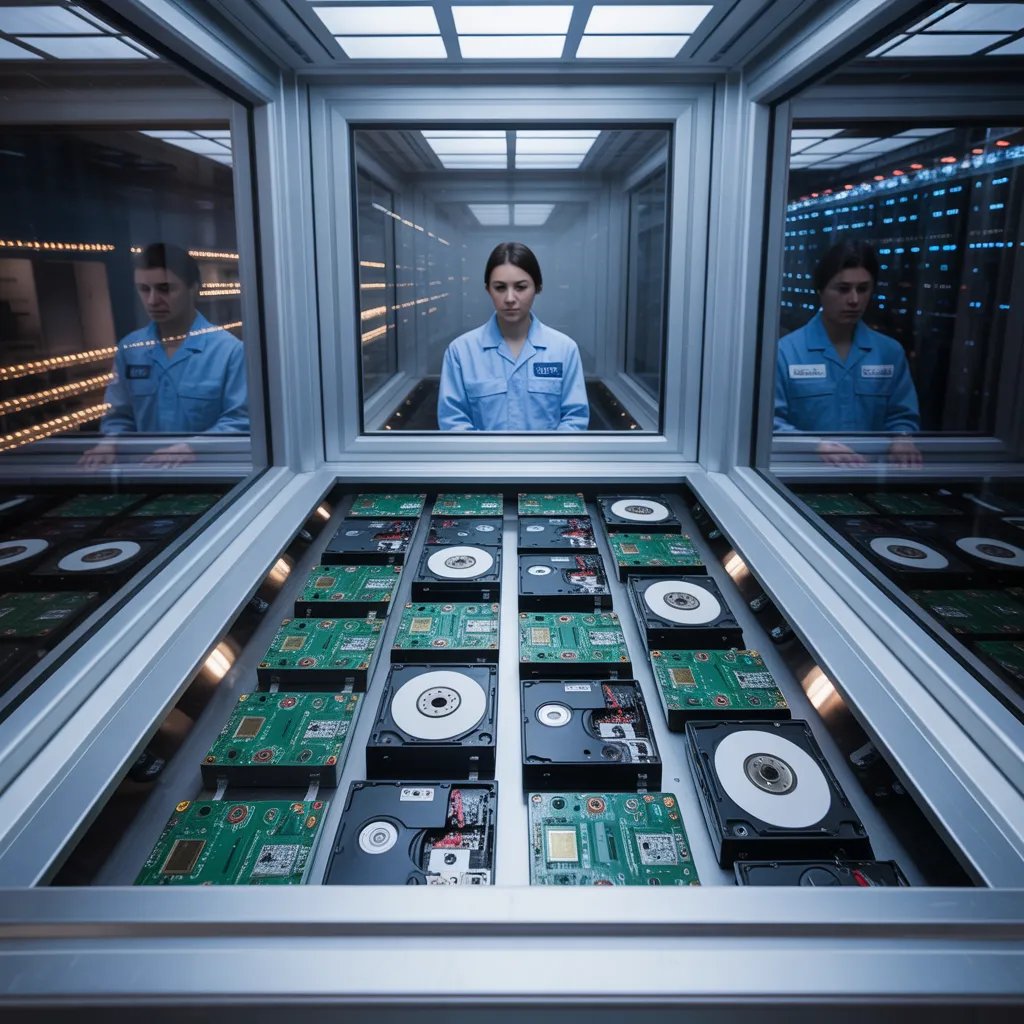
The Vital Benefits of Electronics Reuse Programs for Businesses
Although many companies may underestimate the importance of electronics recycling, it serves as an essential factor in supporting sustainability and decreasing environmental impact. As technological advancements accelerates, companies frequently upgrade their electronic systems, resulting in a growing volume of e-waste. Proper recycling ensures that valuable materials are recovered, limiting the need for new resource sourcing and conserving energy.
Moreover, participating in electronics recycling can improve a company's reputation. Consumers more and more favor businesses committed to sustainable practices, and demonstrating responsibility in managing e-waste can draw environmentally conscious customers. Compliance with regulations regarding electronic waste also protects businesses from potential legal liabilities and fines.
Moreover, recycling can yield monetary benefits. By sustainably managing outdated electronics, companies can reduce waste disposal fees and reclaim financial value from recyclable materials. Overall, adopting electronics recycling is not just an ethical choice; it is a sound business decision that reflects modern sustainability goals.
How Electronics Recycling Reduces Environmental Impact
Electronics recycling plays an crucial role in reducing environmental consequences by conserving natural resources and reducing e-waste pollution. By recovering valuable materials, this process supports the advancement of circular economy concepts. As businesses participate in responsible recycling, they add to a more sustainable future.
Maintaining Natural Resources
Recycling electronics considerably aids the conservation of valuable materials by reclaiming precious elements. Many electronic devices contain valuable metals such as gold, silver, and palladium, which are extractable and reusable. This process lowers the necessity of mining, a resource-heavy operation that drains ecosystems and uses significant energy. Moreover, recycling assists in recovering rare earth elements that are necessary in manufacturing new technologies. By diverting electronic waste from landfills, businesses also reduce the environmental impact of resource extraction but further promote a circular economy. This sustainable habit allows companies to reduce their carbon footprint, lower production costs, and champion environmental stewardship, ultimately fostering a healthier planet for future generations. Through responsible recycling, businesses can pioneer conserving essential natural resources.
Combating E-Waste Pollution
A significant portion of worldwide waste includes electronic devices, contributing to increasing environmental pollution. Improper disposal of e-waste lets loose hazardous materials, such as heavy metals and toxins, which pollute soil and water sources. Electronics recycling reduces these risks by ensuring that harmful components are processed safely and responsibly. By reusing materials such as metals, plastics, and glass, recycling minimizes the need for new resource extraction, leading to decreased environmental impact. Additionally, recycling programs support the responsible disposal of outdated devices, assisting businesses comply with environmental regulations. By engaging in electronics recycling, companies not only lower their carbon footprint but also encourage a healthier ecosystem. Taking this proactive step demonstrates corporate responsibility and effectively confronts the critical challenge of e-waste pollution.
Promoting Circular Economy Methods
Adopting accountable electronics waste management initiatives functions as a vital element in advancing circular economy frameworks. By handling discarded electronics, enterprises can substantially lower the demand for raw resources, thus safeguarding natural resources and curtailing ecological damage. This method supports the restoration of critical materials, extending the useful life of products and cutting down the quantity of electronic waste deposited in landfills. Moreover, by adopting sustainable business models, firms can boost their brand standing and meet consumer expectations for green practices. Prioritizing conscientious recycling additionally spurs innovation in product engineering, prompting manufacturers to manufacture devices that are more feasible for disassembly and reprocessing. In conclusion, weaving electronics recycling into business operations facilitates a more environmentally conscious future, helping both the natural world and the market.
Top Perks of Electronics Recycling for Businesses
Electronics recycling provides major benefits for businesses, primarily through expense reduction and environmental impact reduction. By correctly recycling obsolete devices, firms can reduce disposal costs and extract valuable materials. Additionally, implementing waste management solutions strengthens organizational ethics and fosters green initiatives.
Financial Savings Prospects
Many companies are uncovering significant cost reductions through efficient electronics recycling approaches. By adopting these programs, businesses can lower disposal expenses connected to e-waste, as recycling often is cheaper than landfill disposal. Additionally, valuable materials extracted from used electronics can be sold, generating revenue and offsetting replacement costs. Streamlined recycling procedures also decrease storage costs for obsolete equipment, opening up valuable office space. Furthermore, numerous organizations gain from tax incentives related to sustainable practices, adding another dimension of financial advantage. In summary, embracing electronics recycling not only supports corporate responsibility but also encourages economic efficiency, enabling businesses to allocate resources more effectively and improve their bottom line.
Environmental Impact Decrease
A considerable decrease in ecological impact is one of the fundamental advantages companies benefit from when they initiate organized electronics recovery initiatives. By salvaging functional devices, businesses can suppress dangerous contaminants, such as toxic elements and harmful substances, that can infiltrate soil and water bodies. This not only plays a role in protecting environmental resources but also minimizes the emissions footprint caused by making fresh equipment. Additionally, managing conserves electrical power, as it often requires reduced operational energy to refine recovered substances than to obtain and refine primary resource stocks. As organizations put into place such methods, they foster sustainable economic systems, promoting environmental protection and stewardship. Ultimately, accountable material recycling enables organizations to enhance environmental standing while supporting the natural world.
How to Build a Prosperous Electronics Recycling Approach
Creating a effective e-waste recycling plan demands thorough planning and execution. Companies should start by assessing their current e-waste handling learn the details procedures to identify opportunities for improvement. This evaluation should encompass an catalog of outdated equipment and an evaluation of elimination methods.
Next, companies must set clear goals for their waste reduction programs, which could include reducing waste, increasing recycling rates, or enhancing sustainability efforts. Engaging employees through educational workshops cultivates a commitment to ecological stewardship and promotes involvement in waste management programs.
Additionally, establishing a timeline and financial plan is crucial for monitoring progress and ensuring resources are allocated efficiently. Frequently assessing and revising the approach based on feedback and evolving regulations helps preserve compliance and performance. By combining these elements, companies can develop a robust electronics recycling program that not only helps the environment but also promotes corporate responsibility and improves their sustainable image.
Methods to Locate the Correct Electronics Recovery Ally
How might a business ensure that its electronics recycling service provider aligns with its environmental objectives? Identifying the suitable recycling partner involves detailed evaluation of their practices and certifications. Businesses should identify partners who maintain recognized certifications, such as R2 or e-Stewards, which establish compliance with environmental standards.
Moreover, firms should learn about the partner's recycling processes, including the methods used to handle harmful waste and the rate of recycled items versus those sent to landfills. Clarity in reporting and data management practices is also necessary.
Additionally, a solid standing in the industry can demonstrate trustworthiness; businesses may profit from customer feedback and recommendations from other clients. Participating in clear dialogue about sustainability goals will help ensure coordination. Ultimately, selecting a partner committed to ethical recycling practices can greatly enhance a corporation's overall environmental programs.
Debunking Popular Myths About Electronics Recycling
Many businesses recognize the necessity of electronics recycling, but numerous myths remain that can obstruct proper practices. A widespread misconception is that all electronics can be discarded in common recycling bins. Actually, specific facilities are essential to process electronic waste safely. Another myth claims that recycling electronics is too high-priced for businesses. In reality, several recycling programs deliver free or low-cost services that can finally save companies money by reducing waste disposal fees. Additionally, some consider that data security concerns make recycling too risky. However, reputable recycling partners deliver certified data destruction services, making certain sensitive information is carefully handled. Lastly, there is a perception that recycling electronics has minimal environmental impact. In truth, proper recycling significantly reduces e-waste in landfills and preserves valuable resources. Debunking these myths is vital for businesses looking to adopt sustainable practices and benefit the environment.
Measuring Your E-waste Recycling Success
Firms that successfully debunk myths about electronics recycling often find themselves enthusiastic to track their progress. Tracking KPIs is critical for examining the performance of recycling schemes. Measurements such as the volume of e-waste recycled, the fraction of materials recovered, and cost savings can provide valuable intelligence.
Moreover, enterprises should evaluate their carbon footprint reduction and adherence to sustainability requirements. Involving employees through educational initiatives can also be tracked by participation rates in recycling programs.
Including customer comments can further enhance awareness regarding the recycling program's influence. Consistent inspections and analysis on these data points not only highlight accomplishments but also discover spaces requiring enhancement.
In the final analysis, a structured approach to assessing electronics recycling success allows businesses to make fact-based decisions, cultivating a culture of sustainability that supports both the environment and the organization.
Common Questions Asked Often
What Varieties of Tech Products Can Be Recycled?
A wide range of electronic equipment are able to be recycled, including computers, smartphones, tablets, televisions, printers, and gaming consoles. These items frequently contain precious resources that can be reclaimed, reducing waste and supporting environmental sustainability.
How Often Should Enterprises Recycle Their Electronics?
Enterprises should recycle their technological devices minimally once per year, or more frequently contingent upon technological upgrades and equipment turnover. Consistent recycling programs certifies prudent resource allocation and compliance with environmental regulations, promoting sustainability in your enterprise.
What Costs Come With Electronics Disposal?
Yes, there are expenses associated with electronics reclamation, such as pickup, transportation, and processing fees. However, these expenses can be offset by possible savings from decreased waste disposal and observance of environmental standards.
Could Processing Electronics Introduce Data Safety Risks?
Yes, recycling electronics can bring about protection vulnerabilities if necessary protocols are not complied with. Sensitive information may be unintentionally exposed during the e-waste handling, revealing the essentiality of information security measures techniques before disposal.
What Certifications Ought a Recycling Partner to Obtain?
A trustworthy recycling company should maintain certifications such as R2, e-Stewards, and ISO 14001. These accreditations provide compliance with ecological guidelines, data protection protocols, and responsible recycling practices, safeguarding both the environment and sensitive information.